
Blog
MCS vs CCS for Trucks (2026): Engineering ROI & Grid Reality
By George Chen | March 2, 2026
Key Comparison
| Feature | CCS (Standard) | MCS (Megawatt) |
|---|---|---|
| Dwell Time | 2–10 hours (Overnight) | < 60 minutes (Express) |
| Grid Impact | Manageable peaks | High-ramp industrial load |
| Cooling | Air or Liquid | Mandatory Liquid Cooling |
Choosing MCS vs. CCS is a capital allocation decision shaped by time constraints, grid uncertainty, and operational risk. In 2026, the right answer often varies by lane within the same depot.
Slim Design, Massive Power
Meet the Future of DC Charging ⚡️
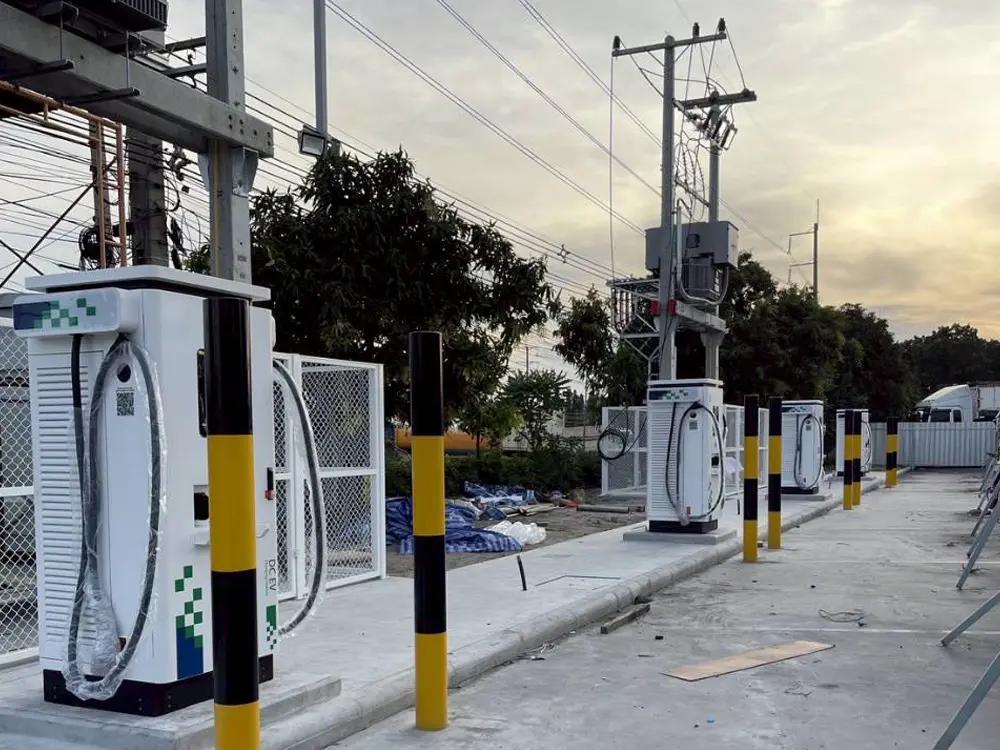
Revolutionize your EV infrastructure with our latest DC charging solution. Combining an ultra-slim aesthetic with high-performance output, this charger is engineered for efficiency and space-saving integration.
- ✔ Compact Footprint: Ideal for limited urban spaces.
- ✔ High Efficiency: Minimized energy loss during conversion.
- ✔ Smart Connectivity: Remote monitoring & DLB support.
Electric Vehicle Charging Standards and Protocols
EV charging standards and protocols define how electric vehicles, chargers, and backend systems interact across the charging ecosystem, ensuring safety, interoperability, and smart energy management.
- Type 1 (SAE J1772): Primarily used in North America and Japan for AC charging.
- Type 2 (Mennekes): The standard for AC charging across Europe.
- CCS1 & CCS2: Combined Charging Systems for DC fast charging (North America and Europe).
- CHAdeMO: Japanese DC fast charging standard supporting bidirectional charging.
- NACS (Tesla): North American Charging Standard, widely adopted by Tesla and partners.
- OCPP: Connects charging stations with management backends.
- ISO 15118: Enables "Plug & Charge" and vehicle-to-grid communication.
- OCPI: Facilitates roaming between different charging networks.
100kW / 241kWh Liquid-Cooled Energy Storage System
High-Efficiency Industrial & Commercial BESS Solution
Product Overview
This advanced 100kW/241kWh energy storage system (ESS) utilizes liquid cooling technology to ensure optimal battery temperature, enhancing safety and extending life cycles. Designed for industrial and commercial applications, it features a highly integrated "All-in-One" design including LFP batteries, BMS, PCS, and fire suppression systems.
Technical Specifications
| Rated AC Power | 100 kW |
| Battery Capacity | 241 kWh |
| Battery Type | LFP (LiFePO4) 314Ah Cells |
| Cooling Method | Liquid Cooling |
| Protection Level | IP55 (Outdoor Rated) |
| Cycle Life | ≥ 8,000 Cycles |
Key Features
- Smart Management: Integrated BMS for real-time monitoring and safety.
- Scalability: Modular design allows for easy capacity expansion.
- All-Weather Performance: Operates from -20°C to +55°C.
- Safety First: Built-in aerosol fire protection and multi-level electrical isolation.
Guide Ultime 2026 : La Borne de Recharge DC Ultra-Rapide avec Batterie Intégrée et Refroidissement Liquide
Le marché de la mobilité électrique franchit une étape décisive. Pour les opérateurs de points de charge (CPO) et les entreprises, le choix d'une infrastructure ne se limite plus à la simple fourniture d'énergie. Il s'agit désormais de...
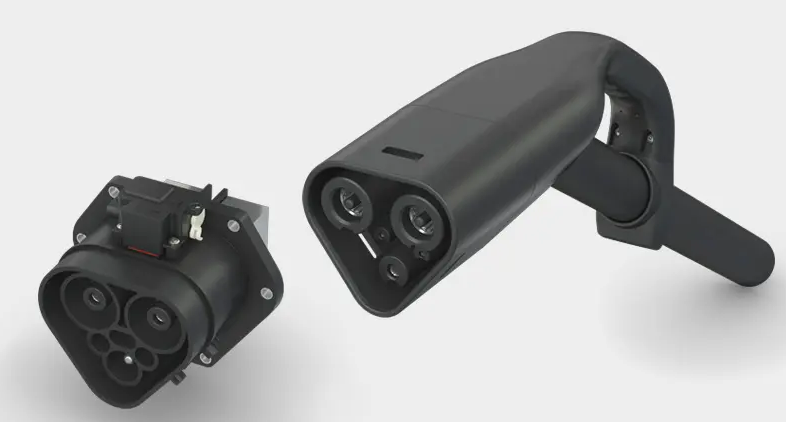
Megawatt charging system
This EV Split RV charger consists of a rectifier cabinet and a charging terminal, delivering an efficient charging capacity ranging from 500kW to 2000kW.The device is available in single-gun and dual-gun configurations. The s ingle-gun...
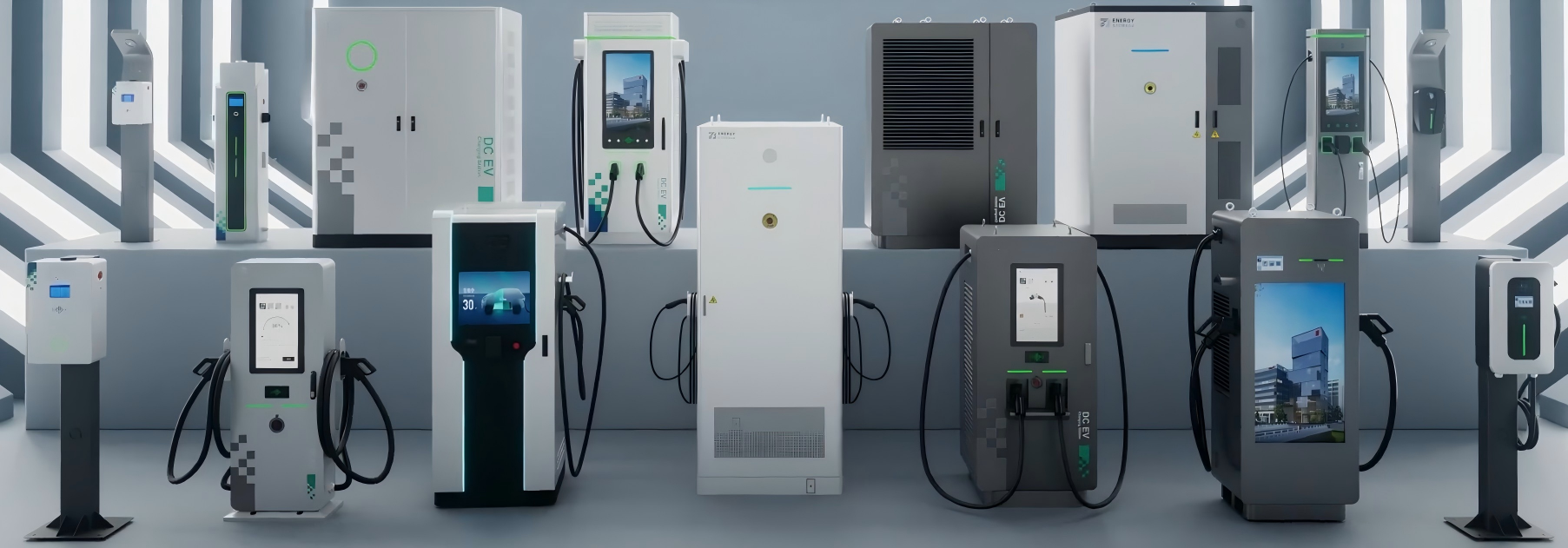
DC EV CHARGER Test Report
BDC60-D Prüfbericht - Produkte Test Report - Products Prüfbericht-Nr.: Test report no.: CN23N7EK 001 Auftrags-Nr.: Order no.: 244457280 Seite 1 von 58 Page 1 of 58 Kunden-Referenz-Nr.: 2055198 Auftragsdatum: 2022-12-24 Client reference no.: Order date: Auftraggeber: Xiamen Enterprise Electric Intelligent Technology Co., Ltd. Client: Wenzhou Bridge Industrical Zone Prüfgegenstand: DC EV Charging Station Test item: Bezeichnung / Typ-Nr.: Refer to below description Identification / Type no.: Auftrags-Inhalt:...